April 1, 2026
Pets bring immeasurable joy and companionship to millions of households, and keeping them healthy is one of the most important responsibilities of ownership. Many pets face common health challenges throughout their lives, and understanding these issues can lead to better prevention, earlier detection, and more effective treatment. By staying informed and working closely with a local veterinarian, pet owners can take meaningful, proactive steps to protect the animals they love.
Recognize and Address Digestive Issues
Digestive problems are among the most common health concerns pets experience, and they can arise from a wide range of causes, including food intolerances, infections, dietary changes, and stress. Symptoms such as vomiting, diarrhea, bloating, loss of appetite, or visible abdominal discomfort should never be dismissed, even when they occur infrequently. Persistent or recurring digestive issues may signal an underlying condition that requires a proper diagnosis from a local veterinarian. Early intervention prevents minor digestive upsets from developing into more serious complications.
Dietary management plays a central role in both preventing and resolving digestive problems. High-quality, easily digestible food tailored to a pet's specific needs can alleviate discomfort and support long-term gut health. Probiotics and fiber supplements are also beneficial additions for many pets. Any changes to a pet's diet should be introduced gradually and with guidance from a local veterinarian, who can recommend the most appropriate nutritional approach based on the pet's health history and individual requirements.
Manage Obesity and Support Healthy Weight
Obesity is a growing concern in pet populations and carries serious health consequences that are frequently underestimated. Excess body weight places stress on joints, strains the cardiovascular system, and significantly increases a pet's risk of developing conditions such as diabetes, arthritis, and respiratory difficulties. Overfeeding and insufficient exercise are the most common contributors, though genetics and certain medical conditions can also play a role. According to Forbes, 97% of pet owners consider their pets to be part of the family — and just like family, their long-term health and quality of life deserve the same level of attention and care.
Preventing and managing obesity begins with consistent portion control and a nutritionally balanced diet suited to the pet's age, size, and activity level. Measuring food rather than estimating portions helps avoid unintentional overfeeding, and treats should be given sparingly and counted within the pet's daily caloric intake. Regular check-ups with a veterinarian provide an opportunity to monitor weight trends, identify risks early, and receive personalized recommendations for diet and exercise that keep pets at a healthy, sustainable weight.
Treat Skin and Coat Disorders Promptly
Skin and coat disorders cause significant discomfort for pets and can stem from a variety of sources, including environmental allergens, parasites, bacterial infections, and fungal conditions. Allergic reactions in particular are widespread, with dogs frequently experiencing skin allergies triggered by food, pollen, flea bites, or seasonal changes. Signs such as excessive itching, licking, redness, hair loss, or changes in coat texture should prompt a visit to a veterinarian, who can identify the underlying cause and recommend an appropriate course of treatment. Left unaddressed, skin conditions often worsen and may point to broader systemic health concerns.
Consistent grooming is one of the most effective ways to support skin health and prevent many common coat disorders. Regular brushing helps distribute natural oils, removes loose fur, and prevents matting that can lead to skin irritation. Bathing with a pet-appropriate shampoo removes allergens and soothes irritated skin, while grooming sessions also provide a valuable opportunity to check for parasites, lumps, or other abnormalities. A grooming routine tailored to a pet's specific coat type, combined with professional veterinary guidance, supports both comfort and long-term skin health.
Prioritize Dental Health and Oral Care
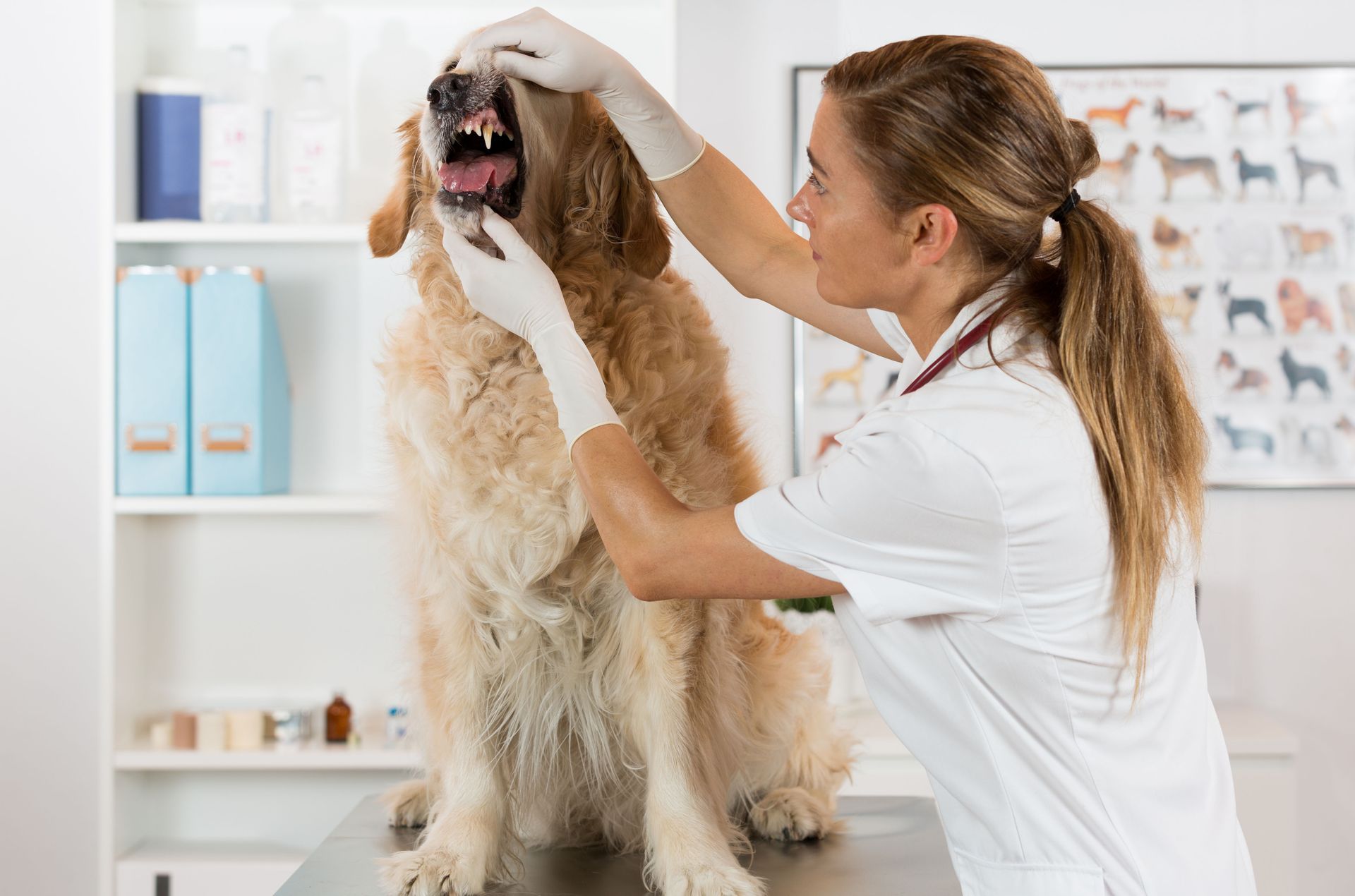
Dental health is one of the most overlooked aspects of routine pet care, yet poor oral hygiene can have far-reaching consequences beyond the mouth. Bacteria that accumulate from plaque and tartar buildup can enter the bloodstream and contribute to infections and organ damage over time. Signs of dental trouble include persistent bad breath, visible tartar, bleeding or swollen gums, difficulty eating, and loose teeth. When these symptoms appear, consulting a local veterinarian promptly allows for a thorough dental examination and professional cleaning before problems progress.
Preventative dental care at home is equally important and should begin early in a pet's life. Brushing a pet's teeth regularly with pet-specific toothbrushes and toothpaste reduces plaque accumulation and lowers the risk of periodontal disease. Dental diets, chews, and treats formulated to reduce tartar buildup offer additional support between cleanings. Professional dental cleanings performed by a veterinarian should be incorporated into a pet's regular health routine to ensure oral health is consistently maintained and any emerging issues are caught and treated early.
Support Joint Health and Mobility
Joint and mobility problems are common in pets, particularly in older animals and larger breeds predisposed to conditions such as hip dysplasia and osteoarthritis. These issues cause pain, reduce activity levels, and meaningfully diminish quality of life if left unmanaged. Early warning signs include limping, reluctance to exercise, stiffness when rising, or a noticeable change in gait. Recognizing these signs and consulting a local veterinarian as soon as they appear allows for earlier intervention, which can significantly slow the progression of joint disease and improve a pet's comfort.
Managing joint health often involves a combination of nutritional support, physical activity, and veterinary-guided treatment. Supplements such as glucosamine and omega fatty acids are widely used to support joint structures and reduce inflammation, while anti-inflammatory medications prescribed by a veterinarian can provide more targeted relief for pets experiencing significant pain. Maintaining a healthy weight is also critical, as excess body weight places additional strain on already compromised joints. Together, these strategies help preserve mobility and support a better quality of life for pets as they age.
Address Stress and Anxiety Effectively
Stress and anxiety affect pets more commonly than many owners realize, and the triggers are wide-ranging — from environmental changes and loud noises to separation from their owners or the introduction of new household members. Behavioral signs such as excessive barking, destructive behavior, inappropriate elimination, or withdrawal can all indicate that a pet is struggling emotionally. Identifying these patterns early and understanding their triggers is essential for implementing effective strategies to reduce anxiety and prevent long-term emotional distress.
Creating a stable, predictable environment provides a strong foundation for managing pet anxiety. Safe retreat spaces, consistent routines, and calming aids such as pheromone diffusers or anxiety wraps can all help reduce stress during difficult situations. When anxiety is severe or persistent, professional support becomes essential. Animal behaviorists can offer in-depth behavioral strategies, and a local veterinarian can assess whether medication or additional therapeutic interventions are appropriate. With the right combination of environmental support and professional guidance, even highly anxious pets can experience meaningful improvement in their emotional well-being.
Understanding the health challenges that pets commonly face empowers owners to provide better, more attentive care throughout every stage of their pet's life. From digestive health and weight management to dental hygiene and emotional well-being, each of these areas plays an important role in a pet's overall quality of life. Regular monitoring, early action, and a strong relationship with a local veterinarian are the foundations of responsible, loving pet ownership. If you are ready to give your pet the comprehensive care they deserve, contact us at Homestead Animal Hospital and Urgent Care today. We will help you keep your beloved companion healthy, comfortable, and thriving for years to come.