June 17, 2026
Bringing a furry companion into a home brings profound joy and profound responsibility. Providing excellent nutrition, a secure shelter, affection, and comprehensive medical care ensures these cherished animals lead long, healthy lives. A crucial aspect of this ongoing medical care involves proactive disease prevention. Shielding domestic animals from preventable, debilitating illnesses remains a cornerstone of responsible pet husbandry. The practice prevents unnecessary suffering and stops the spread of dangerous pathogens within local animal communities.
Among the decisions owners face, navigating the complex world of pet vaccinations stands out as a critical task. Animal clinics offer a broad menu of options, and discerning which shots are essential versus optional creates confusion. Medical terminology and differing opinions add to the challenge. By breaking down the differences between core and non-core categories, caretakers can make informed choices tailored to the specific needs of their beloved animals.
Understanding the Purpose of Core Protections
Core protections represent the essential shield domestic animals require regardless of lifestyle, geographic location, or specific habits. Dedicated veterinary experts designate these specific preventative shots as mandatory due to the extreme severity of the diseases they prevent. These pathogens cause immense suffering, possess high transmission rates, and pose a severe threat to broad animal populations. Various diseases cross the species barrier, posing a direct threat to human health and public safety.
The diseases targeted by this vital category include rabies, distemper, parvovirus, and adenovirus. These specific illnesses lack simple cures and require intensive, expensive clinical interventions to treat. Providing baseline immunity against these distinct threats forms the strong foundation of modern veterinary preventative care. Mandates from local municipal districts and state governments reinforce the necessity of these specific shots, requiring owners to maintain current records to comply with the law.
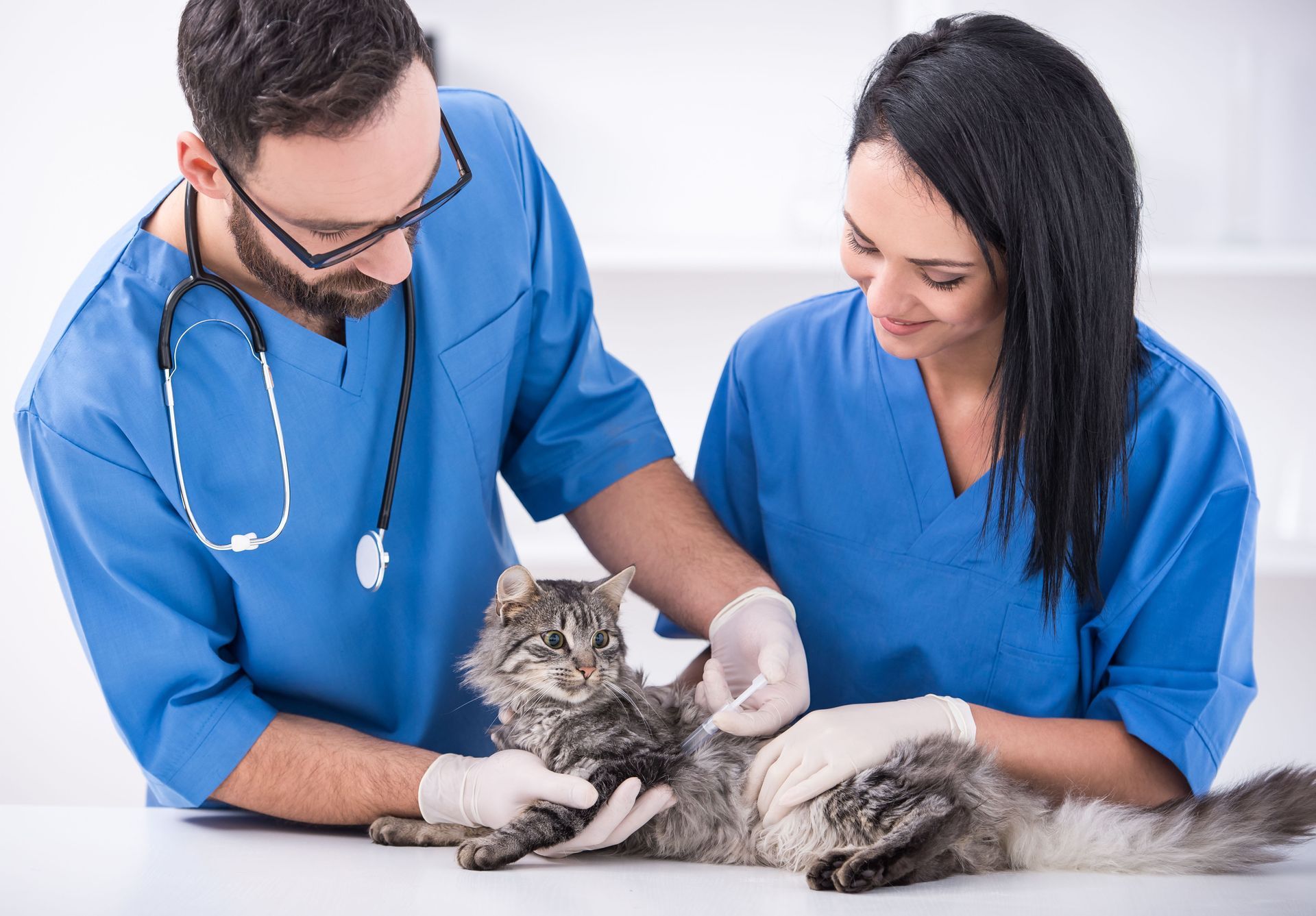
Establishing this immune foundation begins during youth when maternal antibodies begin to fade. According to the American Veterinary Medical Association, puppies and kittens typically receive vaccinations when they're four months old. This critical window marks the transition where the young animal's body must start producing its own immune response. Veterinary teams administer boosters to build this necessary internal defense mechanism against microscopic invaders.
Maintaining this strong defense requires routine updates throughout adulthood. The mammalian immune system requires periodic reminders to recognize and fight off these severe viruses. Responsible owners must adhere to established clinical schedules to prevent gaps in protective coverage. Lapses in coverage leave the animal vulnerable to life-threatening infections. A consistent approach to these mandatory shots guarantees the highest level of protection possible for the entire duration of the animal's life.
Identifying the Role of Non-Core Protections
Non-core options operate on a different medical principle, focusing upon situational risks rather than universal threats. Veterinary science categorizes these shots as optional because the associated diseases depend upon distinct exposure factors. Not every dog or cat faces identical environmental hazards. A blanket approach to preventative medicine fails to account for the vast differences in how these animals live, where they play, and who they interact with each day.
The clinical decision to administer these optional shots hinges upon a detailed lifestyle assessment. For example, the bordetella shot prevents kennel cough, an aggressive, contagious respiratory disease. Animals that frequent dog parks, boarding facilities, or obedience training classes require this extra defense. In contrast, a housebound feline living inside has a lack of exposure to the pathogens lurking in communal play areas.
An additional prominent example includes protection against tick-borne illnesses like Lyme disease. Animals residing in or visiting wooded areas with heavy tick populations face a significant health risk. Urban pets walking on paved concrete sidewalks face minimal risk. Similarly, the feline leukemia shot benefits cats that roam outdoors and encounter stray feline populations. Indoor cats isolated from unknown felines possess less risk of contracting this specific retrovirus.
Caretakers must work in tandem with veterinary staff to map out these distinct environmental risk factors. Integrating pet vaccinations into a customized health plan requires honesty about everyday habits and anticipated outdoor activities. Tailoring the clinical medical approach ensures the animal receives adequate defense against probable threats. Customization represents the absolute gold standard in modern preventative veterinary practice.
Evaluating the Factors for Individual Schedules
Developing an ideal preventative plan requires a thorough examination of age and general health status. A healthy animal possesses a strong immune capacity compared to a senior companion battling chronic ailments. Autoimmune conditions, prior adverse reactions, or ongoing medical treatments alter the clinical risk-to-benefit calculation. Veterinary professionals weigh these biological variables to avoid overwhelming a fragile immune system while providing necessary disease resistance against the most pressing local threats.
Geographic location serves as a major determinant in the planning process. Different regional areas harbor distinct diseases due to climate variations, wild animal populations, and environmental conditions. A dog living in the humid Southeast faces different parasitic and viral threats than a dog residing in the arid Southwest. Moving to a new state or region necessitates a review of current pet vaccinations to address novel local pathogens.
Social habits and grooming needs dictate the ideal clinical strategy. Repeated visits to the grooming salon expose animals to shared air spaces, communal water bowls, and shared clipping equipment. Participating in agility trials, conformation shows, or group obedience classes increases exposure to transient animal populations. Each social interaction multiplies the opportunity for pathogen transmission, increasing the need for a broader spectrum of preventative medical defenses.
Travel plans add an extra layer of complexity to health preparations. Taking a furry companion on vacation, whether camping in the mountains or visiting relatives in a different state, introduces foreign environmental hazards. International travel involves stringent border control regulations requiring specific proof of disease resistance. Owners anticipating travel must research destination-specific requirements in advance to arrange the proper pet vaccinations and avoid travel disruptions.
Navigating the Conversation With Veterinary Professionals
Honest dialogue with a veterinarian creates a strong foundation for a successful health strategy. These medical experts possess the knowledge required to interpret regional disease patterns and distinct local risk factors. Caretakers must arrive at appointments prepared to discuss lifestyle changes, behavioral shifts, and future outdoor plans. Transparency regarding budget constraints and scheduling limitations helps the medical team design a realistic and actionable preventative care protocol.
Asking direct questions during the clinical consultation demystifies the complex medical process. Caretakers should inquire about the pathogens prevalent in their neighborhood. Requesting clear explanations regarding the potential side effects of each shot empowers owners to monitor their companions post-appointment. Understanding the underlying reasoning behind every medical recommendation transforms the owner from a passive bystander into an active participant in the clinical decision-making process.
Diligent record-keeping guarantees continuity of care across different veterinary clinics and throughout different life stages. Maintaining physical or digital copies of all medical certificates proves vital during emergencies, travel, or boarding situations. Tracking the exact dates of past pet vaccinations prevents accidental duplication of clinical services. Accurate medical histories allow veterinarians to chart out future booster timelines with precision, ensuring uninterrupted immunological defense.
Recognizing that preventative needs shift over time remains vital for long-term companion health. A vibrant, hiking companion will transition into a slower, home-bound senior. As mobility decreases and the environment shrinks to the backyard and living room, exposure risks plummet. Routine re-evaluations of the medical plan ensure the protocol adapts to the animal's current reality. Dynamic clinical care plans reflect the evolving nature of the human-animal bond.
In the end, securing a long and vibrant life for a furry friend requires proactive engagement with modern veterinary medicine. Tailoring pet vaccinations to match individual lifestyles creates a strong defense system suited to the animal's unique world. Informed clinical decisions pave the way for a healthy, vibrant future filled with shared adventures and profound joy. Contact Homestead Animal Hospital and Urgent Care today to schedule a consultation and review your companion's needs for pet vaccinations. Our team is ready to help you create a tailored preventative care plan for your furry friend.