July 9, 2026
Pets bring comfort, companionship, and joy into the home, which is why their health matters so much to the people who love them. According to Forbes, 97% of pet owners consider their pets to be a part of their family. While many owners focus on food, exercise, vaccines, and routine checkups, dental health is sometimes overlooked. However, a pet’s mouth can have a major impact on comfort, behavior, nutrition, and overall well-being.
Dental problems can develop slowly, and pets may not show obvious signs of pain until an issue becomes serious. Bad breath, swollen gums, loose teeth, drooling, chewing changes, and reduced appetite can all point to oral health concerns. Professional pet dentistry services can help detect problems early, support better daily comfort, and protect long-term health. Understanding why dental care matters can help owners make more confident decisions for their pets.
Protecting Your Pet’s Comfort
Dental pain can affect pets in ways that are easy to miss. A dog or cat may continue eating, playing, and acting normally even when a tooth or gum problem is causing discomfort. Pets often hide pain instinctively, which means owners may not notice a problem right away. By the time symptoms become obvious, the condition may already be advanced. Some pets may also become less active, avoid toys, or resist having their face touched, even though these subtle behavioral changes can easily be mistaken for normal aging.
Regular dental care helps identify painful problems before they become severe. Inflamed gums, cracked teeth, oral infections, and tartar buildup can all make daily life uncomfortable. Professional care allows a veterinarian to examine the mouth more thoroughly than most owners are able to at home. Treating these concerns can help pets feel better, eat more comfortably, and enjoy their normal routines. Routine examinations also allow veterinarians to monitor changes over time, making it easier to detect developing dental issues before they require more extensive treatment or tooth extractions.
Protecting Your Pet’s Teeth
Healthy teeth allow pets to chew, play, and eat with less discomfort. When plaque and tartar are not addressed, they can contribute to gum disease and tooth loss. Missing or damaged teeth can make chewing harder and may affect the way a pet handles certain foods or treats. Dental issues can also make pets avoid chewing on one side of the mouth. Over time, these challenges may reduce a pet's enjoyment of meals, toys, and normal daily activities while affecting overall comfort and quality of life.
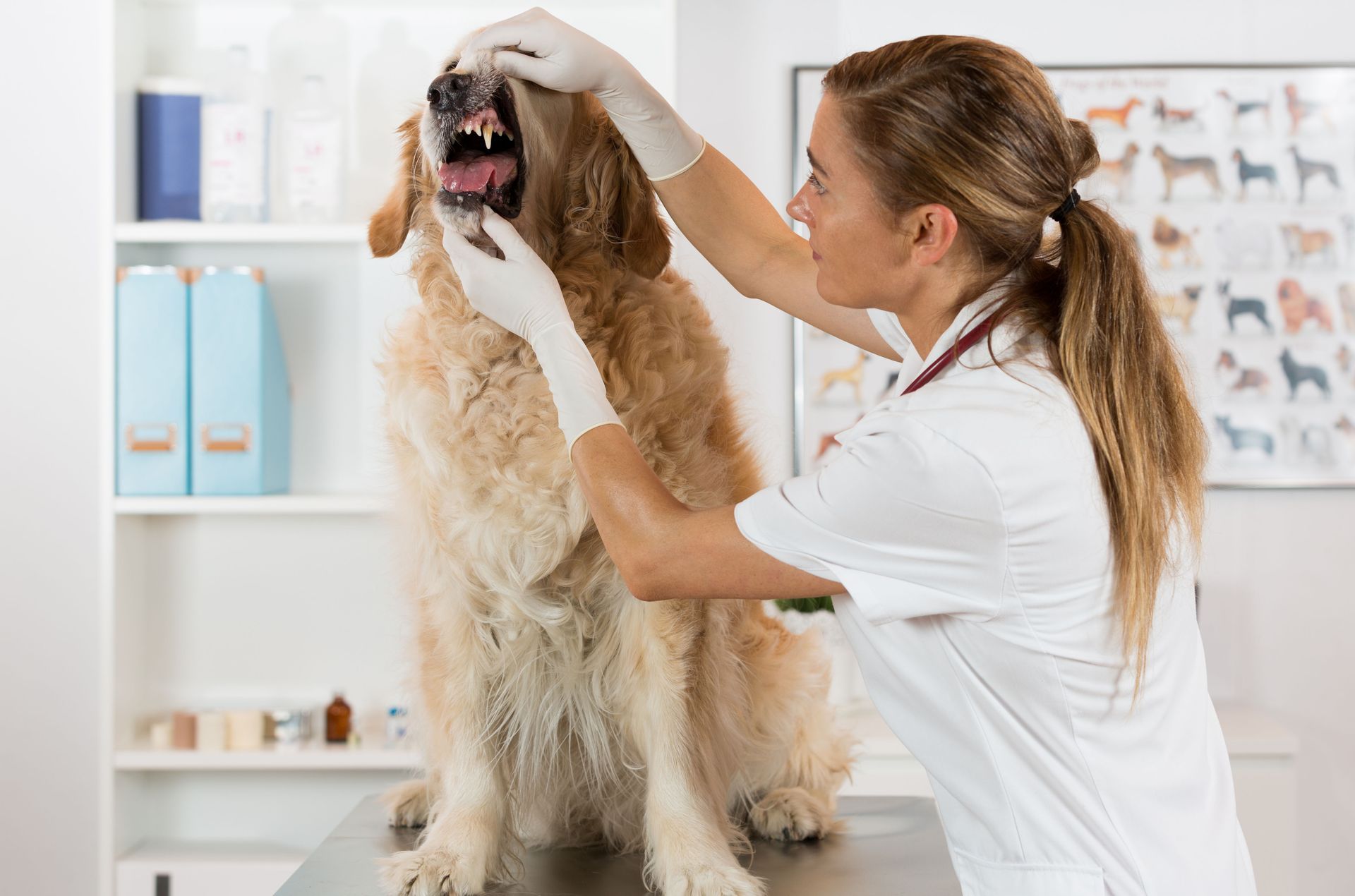
Pet dentistry services can help preserve teeth by removing buildup and identifying concerns early. A professional cleaning reaches areas that brushing at home may miss. Veterinarians can also check for loose teeth, fractures, infection, and other problems that may not be visible during a quick glance. Protecting the teeth can help maintain better function as pets age. Early treatment can also reduce the likelihood of more advanced dental disease, helping pets keep more of their natural teeth for as long as possible.
Protecting Your Pet’s Gums
Gum health is just as important as tooth health. Red, swollen, bleeding, or receding gums may be signs of periodontal disease. This condition can cause pain, infection, and eventual tooth loss if it is not treated. Because gum disease can progress gradually, routine dental evaluations are important.
Professional dental care helps remove the bacteria and buildup that contribute to gum irritation. Early treatment may reduce inflammation and help prevent more serious damage. Veterinarians can also recommend home care steps that support healthier gums between visits. With consistent attention, owners can help reduce the risk of avoidable oral health problems.
Protecting Your Pet’s Appetite
Dental problems can affect how much a pet wants to eat. A pet with mouth pain may drop food, chew slowly, avoid hard kibble, or seem less interested in meals. Some pets may still eat enough to hide the problem, but they may be uncomfortable while doing so. Changes in appetite should always be taken seriously.
Pet dentistry services can help address oral problems that interfere with comfortable eating. Once painful teeth, gum irritation, or infection are treated, many pets return to eating more normally. Better dental health can also make it easier for pets to enjoy their regular diet. Supporting oral comfort supports overall nutrition and quality of life.
Protecting Your Pet’s Breath
Bad breath is common in pets, but it should not be ignored. Persistent odor can be a sign of plaque, tartar, gum disease, infection, or decaying teeth. While some odor after meals is normal, strong or worsening breath may indicate a deeper issue. Treating bad breath only with chews or sprays may not solve the actual problem.
Professional dental cleanings help reduce odor at its source. By removing buildup and checking for infection, veterinarians can address the causes of chronic bad breath. Owners may also receive guidance on brushing, dental diets, or safe chews that support fresher breath. A cleaner mouth can make close moments with a pet more enjoyable for everyone.
Protecting Your Pet’s Overall Health
The mouth is connected to the rest of the body. Bacteria from dental disease can affect more than the teeth and gums. Oral infections may place stress on the immune system and contribute to broader health concerns. This is why dental care should be viewed as part of whole-body wellness.
Pet dentistry services support more than a clean smile. They help veterinarians monitor oral health and identify issues that may affect comfort, eating, and long-term well-being. Dental exams can also reveal growths, injuries, or signs of disease that owners might not notice at home. Treating oral problems promptly helps support a healthier life overall.
Protecting Your Pet as They Age
Older pets are especially vulnerable to dental problems. Years of chewing, tartar buildup, and normal wear can affect the teeth and gums. Senior pets may also have other health conditions that make untreated dental disease more concerning. Keeping their mouths healthy can help them remain more comfortable in their later years.
Routine dental care becomes even more valuable as pets age. Veterinarians can evaluate whether a pet needs cleaning, treatment, extractions, or a revised home care plan. Pet dentistry services can be tailored to the pet’s age, health status, and comfort level. With the right care, older pets can continue to eat, rest, and interact more comfortably.
Protecting Your Bond With Your Pet
Dental care is also part of responsible pet ownership. When pets are comfortable, they are often more playful, affectionate, and engaged. Pain can cause changes in mood, behavior, and energy that owners may not immediately connect to the mouth. A healthier mouth can support a happier daily life.
Regular pet dentistry services give owners peace of mind. Instead of waiting for obvious pain or infection, owners can take a preventive approach. This helps protect the pet’s comfort while strengthening the care routine that keeps them healthy. Since pets are family, their dental health deserves consistent attention.
Pet dental care is more important than many owners realize because oral health affects comfort, eating, breath, behavior, aging, and overall wellness. Dental problems may begin quietly, but they can lead to pain and more serious concerns when ignored. With routine exams, professional cleanings, and professional pet dentistry services, owners can help protect their pets from avoidable discomfort and support a healthier life. If your pet is showing signs of dental trouble or is due for an oral health evaluation, contact Homestead Animal Hospital & Urgent Care.