September 3, 2026
The annual veterinary exam is a cornerstone of preventative health care for pets. This comprehensive evaluation ensures that pets are healthy, age-appropriately vaccinated, and free of emerging health issues. It consists of various components that each play a crucial role in maintaining your pet’s overall well-being. This article will delve into the detailed breakdown of what an annual veterinary exam entails and why each part is vital. According to the American Animal Hospital Association, pets should have a veterinary checkup at least once a year to maintain their health and detect any potential conditions early on.
Physical Examination
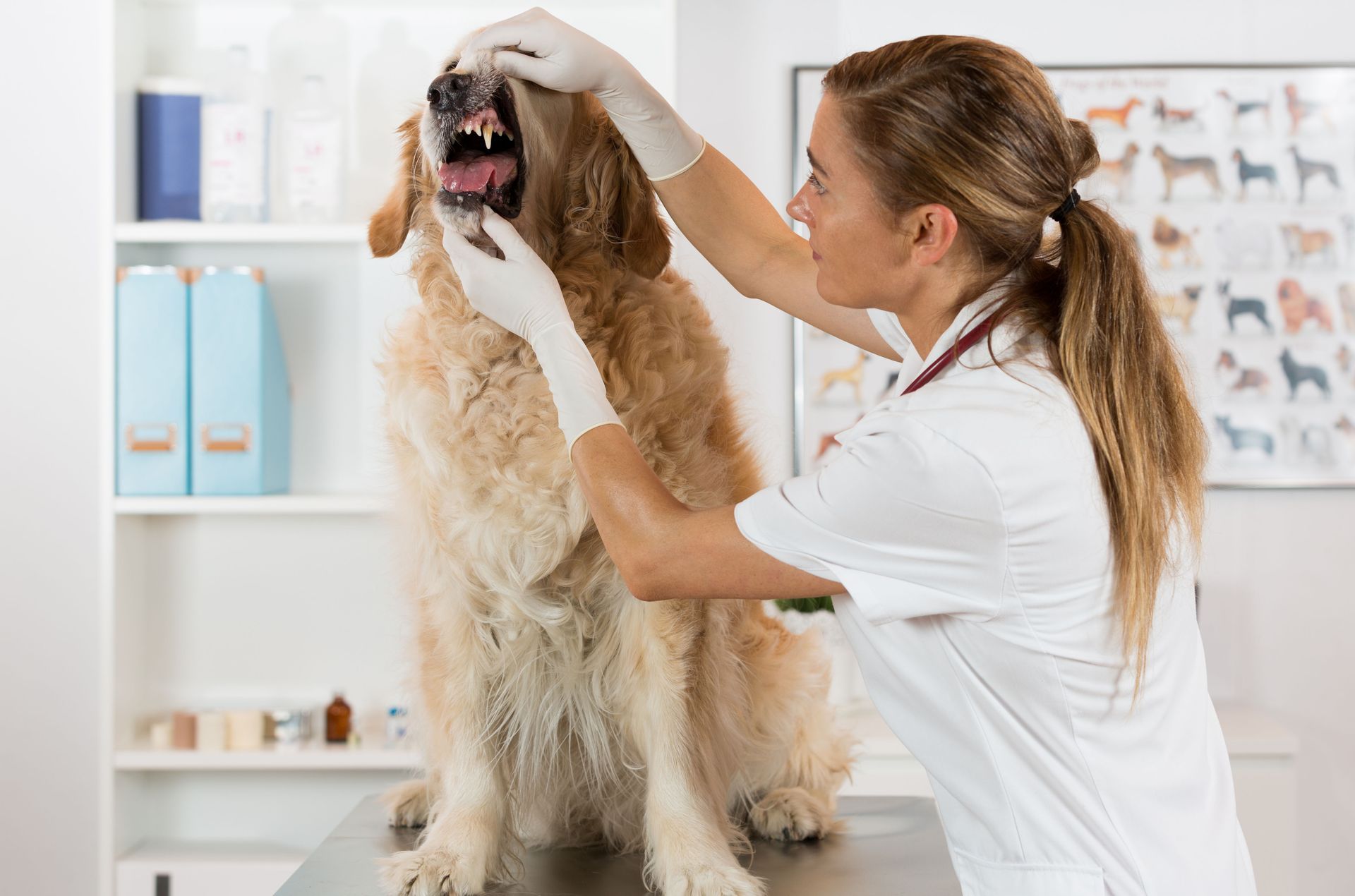
During the physical examination, local veterinarians assess the pet’s overall health by looking at various physical indicators. One of the first steps is the weight and body condition assessment, where the pet's weight is checked and compared to breed standards to prevent obesity-related issues. Next, the veterinarian examines the pet’s skin and coat, which can indicate general health, allergies, or nutritional deficits. Alongside, a musculoskeletal evaluation helps identify any issues with the bones, joints, or muscles that could affect the pet’s mobility. Lastly, the veterinarian performs an abdominal palpation to check for any abnormalities in the organs within the abdomen.
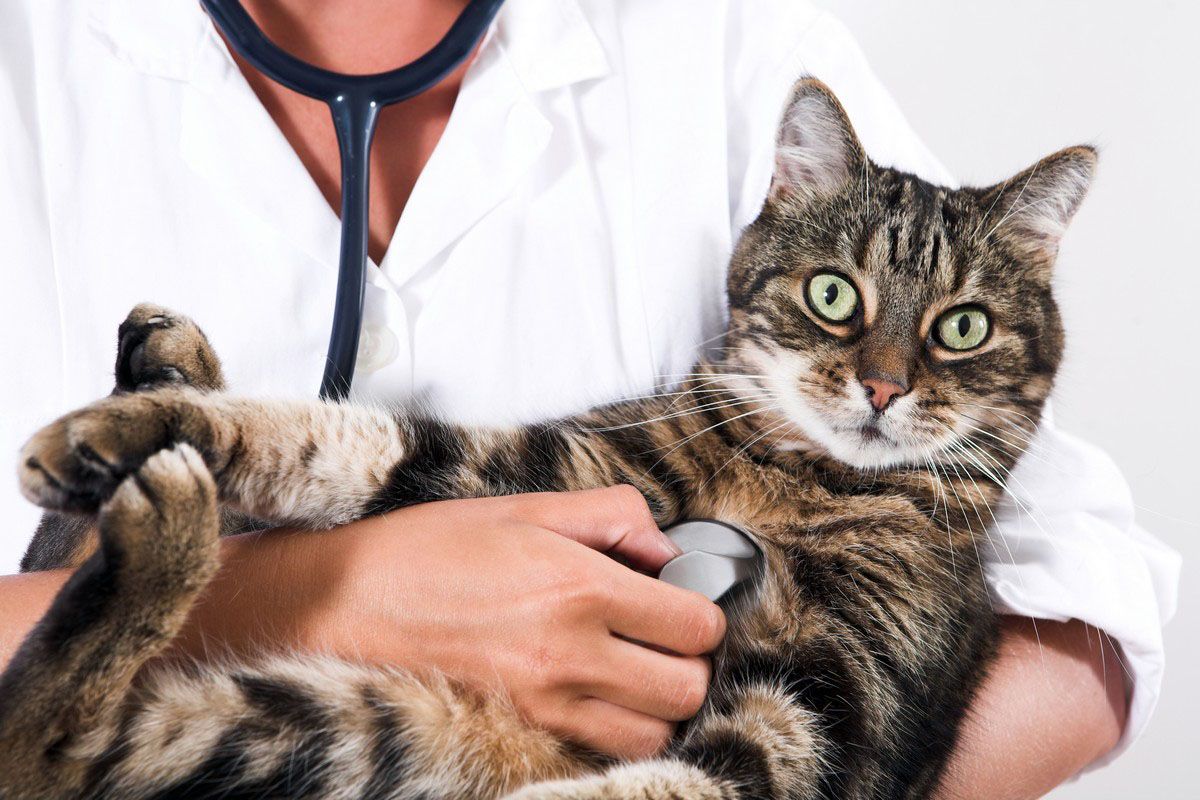
Along with these, the veterinarian will conduct a pulse and respiration check. This part of the examination assesses the heart rate and breathing, which can provide critical insights into cardiovascular and respiratory health. An irregular heartbeat or labored breathing can signal underlying health problems requiring further investigation. Documenting the results of these physical assessments enables the veterinarian to monitor changes over time. By thoroughly examining these aspects, local veterinarians are better equipped to diagnose potential issues and recommend appropriate preventative care or treatment options for pets under their care.
Vaccination Review and Update
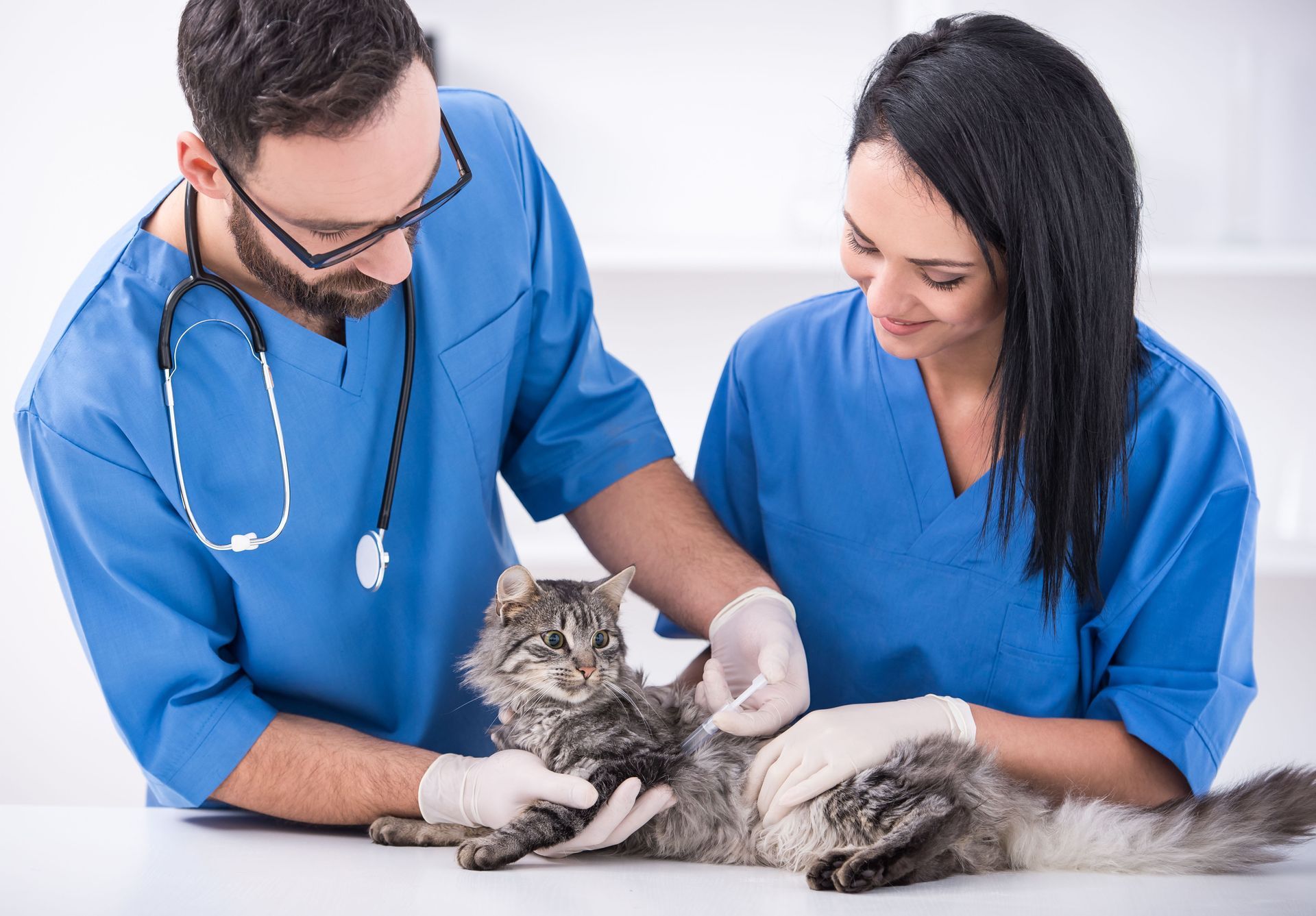
Vaccinations are a pivotal component of the annual veterinary exam, serving as the first line of defense against preventable diseases. Core vaccines are those that are considered essential to the pet's health due to the prevalence and severity of the diseases they protect against. This includes vaccines for rabies, distemper, and parvovirus, among others. Local veterinarians will review the pet’s vaccination records to ensure that these essential vaccines are up to date, protecting the pet and the community. While vaccination strengthens the immune response, it also operates within the broader public health framework by preventing outbreaks of contagious diseases.
Non-core vaccinations may also be advised based on the pet's specific environment, lifestyle, and risk factors. These are optional vaccines that could benefit pets with unique exposure risks, such as those living in regions where certain pathogens are prevalent. Local veterinarians will consider factors such as geographic location and the pet’s lifestyle to determine if these vaccinations are necessary. The examination is an opportunity to discuss these vaccines’ relevance with the pet owner and to strategize on how to ensure robust protection against possible diseases. Ultimately, both core and non-core vaccinations contribute significantly to comprehensive preventative care.
Parasite Prevention and Control
Parasite prevention and control is an integral aspect of the annual veterinary exam. Flea and tick prevention play a critical role, as these parasites can spread diseases and cause discomfort in pets. The veterinarian will discuss various prevention methods, from topical treatments to oral medications, to keep these pests at bay. Understanding the lifecycle of fleas and ticks enables pet owners to break the cycle and protect their pets year-round. Early detection and consistent application of preventative measures are key to ensuring ectoparasites do not compromise a pet’s health.
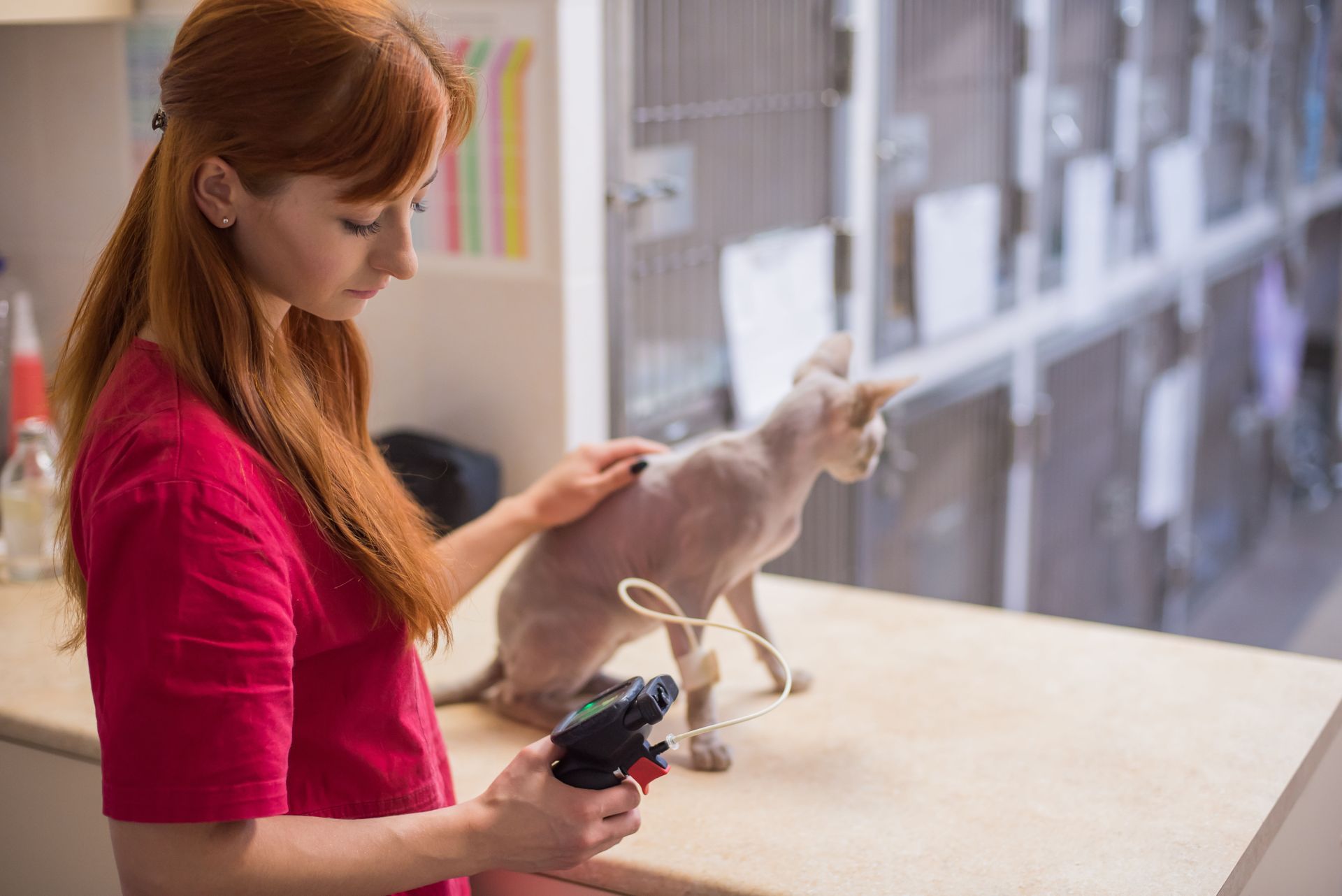
Heartworm testing and prevention are equally important during the veterinary exam. Heartworms, transmitted by mosquitoes, can result in severe health issues in pets, especially cardiovascular problems. Local veterinarians will perform a simple blood test to check for the presence of heartworms, which can be lifesaving if detected early. Based on test results, a heartworm prevention plan is formulated for the year ahead. By discussing the options available for heartworm prevention, the veterinarian collaborates with the pet owner to tailor a program that best suits the pet's specific needs and lifestyle.
Laboratory Testing and Diagnostics
Laboratory testing is an essential part of an annual veterinary exam, providing deeper insights into your pet's health. Blood work analysis is often the first step, offering a glimpse into the pet's organ function, including liver and kidney performance, as well as blood cell counts. These metrics enable the veterinarian to detect conditions such as anemia, diabetes, or infections that may not be apparent through physical examination alone. Regular blood tests create a health baseline, facilitating easier detection of changes or anomalies in future exams. Hence, blood analysis is a critical diagnostic tool to catch diseases early.
Urinalysis is another vital test performed during the exam, providing essential information regarding the urinary system’s health. Analysis of urine samples can highlight infections, kidney disease, or diabetes through various indicators such as glucose levels, pH balance, and the presence of protein. This test complements blood work by corroborating or challenging initial findings, painting a more comprehensive picture of the pet's health. Meanwhile, fecal examination targets digestive health, identifying any internal parasites or gastrointestinal infections that might be affecting the pet’s energy levels or appetite. These tests collectively offer invaluable insight to maintain a pet's health optimally.
Nutrition and Diet Consultation
Nutrition profoundly influences a pet's long-term health, making diet consultation a staple of the veterinary exam. The veterinarian will start with a dietary history and evaluation, where they learn about the pet's current food intake, feeding schedule, and any treats or supplements being used. This helps in identifying nutritional gaps or excesses that could affect the pet's health. Awareness of appropriate portion sizes and nutrient balance contributes to better weight management—especially important since obesity can lead to various health complications. Engaging discussions with local veterinarians allow pet owners to optimize their pet's nutritional intake.
Following this, a nutritional needs assessment is conducted. This involves evaluating the pet's life stage, breed, and activity level to determine any unique dietary requirements. The veterinarian assesses whether the pet needs a special diet due to age, weight, health conditions, or behavioral issues. Special diets can address a wide range of medical conditions from kidney disease to diabetes, supporting a tailored approach to dietary management. The goal is always to support the pet’s health through diet as effectively as possible, enhancing their quality of life.
Behavioral and Lifestyle Assessment
Behavioral and lifestyle assessments should not be overlooked during veterinary exams, as they significantly impact a pet’s overall wellbeing. Evaluating normal and abnormal behaviors allows local veterinarians to identify emerging behavioral issues early. Common behavioral assessments may include observing anxiety levels, responsiveness to commands, socialization status, and exercise habits. Assessing these areas provides a foundation for understanding the pet's interaction with its environment and can hint at underlying health concerns. By catching these issues early, interventions can be planned to improve the pet’s lifestyle and comfort.
Addressing anxiety and fear in pets is another critical area where local veterinarians can support both pets and owners. Fear-related responses can result from poor socialization or past traumatic experiences, affecting a pet's ability to cope with new environments or stimuli. The veterinary consultation is an opportunity to discuss these behaviors realistically, providing behavior modification techniques or recommending lifestyle changes. In cases requiring further intervention, the veterinarian may suggest consulting with a specialist to manage more persistent or severe conditions effectively. Compassionate management of behavioral issues contributes to happier, more confident pets and satisfied owners.
Regular annual veterinary exams are essential to ensure pets live long, healthy, and happy lives. Not only do these check-ups help catch potential health issues early, but they also provide an opportunity for pet owners to address any concerns about their pet’s well-being. By covering all aspects from vaccinations to nutrition and behavioral consultations, these exams are integral to effective pet care management. It's an investment in your pet’s future that pays dividends in their quality of life.
Give your pet the comprehensive care they deserve by scheduling their annual wellness exam with Homestead Animal Hospital & Urgent Care today!